Read the latest theatre reviews for must-see Manchester shows at 101Frances
Search this site
280 results found with an empty search
- The Comedy About a Bank Robbery Review | The Lowry | Manchester
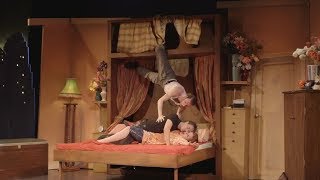
Mischief Theatre is forming a collection of runaway successes for audiences, essentially in love with slapstick comedy. For anyone who hasn’t witnessed a Mischief production, you can expect a finely tuned mess that tickles the funny bone and is fuelled through the template of amateur theatre. With an old-school guise, the new clowns of comedy follow a straightforward formula that is crystal clear, Make ‘Em Laugh . Here we follow a misguided group of eccentric robbers as they hatch a plan to empty the city bank of its diamond. Pinning familiar wordplay with physical comedy, the shows marvellously formulaic performances are timed to perfection. Revised by sharp staging formed by the director, Mark Bell and set designer David Farley, the shows inventive updates offer picture-perfect sets on the Lowry stage. The production has a deceptively large budget despite its makeshift appearance that makes use of every prop, angle and lighting fixture. From flipping audiences’ perspectives to folding beds, its simple premise has layers of inventive setups that force you to accept the unacceptable. With its multitasking twelve-member cast, the characters are asked to switch the structures of the set, double as scenery and perform live musical cues throughout the show. Written by the members of Mischief Theatre, Henry Lewis, Jonathan Sayer and Henry Shields, The Comedy About a Bank Robbery follows the familiar path of their previous work. Fast-paced jokes and visual gags are teamed with daring stunts that keep the audience simultaneously smiling and stunned. Concocting a fine mix of action and humour, the show rigorously riffs on predictable comedy routines throughout its first half. After the premise to the bank robbery has been set, the shows special effects and musical brew are cranked up for the second half of its comical production. I have never heard an audience laugh harder than during The Play That Goes Wrong , despite its narrative taking second place to its slapstick. The show hits all manner of age groups and people appear smitten with Mischief’s nostalgic take on comedy. However, the show is as subtle as being repeatedly hit on the head with a stick and if you cannot handle two hours of You’ve Been Framed pleasantry, The Comedy About a Bank Robbery is a better bet. This production offers a deeper narrative which comes complete with live musical routines and weighty comedic performances. It is sure to broaden the Mischief fanbase further as it branches out into television and hopefully continues its run on comedy high jinks. The Comedy About a Bank Robbery is a fanciful show, from a fantastic company who have made it their mission to make you laugh. TheComedyAboutaBankRobbery #MischiefTheatre TheLowry #Manchester
- Space Spectacular Review | The Bridgewater Hall | Manchester
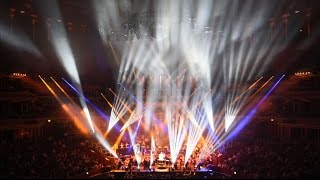
“5…4…3…2…1…Thunderbirds are go!” Opening with Richard Strauss’s Sunrise AKA 2001: A Space Odyssey , Manchester Concert Orchestra combine classical and contemporary scores to form a mesmerising concert that sprinkles stardust over its captivated audience. Performances by the Manchester Concert Orchestra are always enthralling, but this dynamic production attracts a diverse audience that helps introduce classical music to a mainstream audience. A selection of iconic and unexpected film and television scores are shaped by conductor Pete Harrison who stops to expands our knowledge of the songs with excerpts about the pieces picked. Audiences were even asked to help recreate the Thunderbirds theme tune in a loving rendition I could have listened to on repeat. Celebrating the magic of music in a playful and inventive collection, the orchestra includes tracks from Star Trek, Battlestar Galactica and Apollo 13 . Most notable is 5-time Oscar winner, John Williams work, bringing absorbingly atmospheric moments with scores from Star Wars, Close Encounter, E.T and Superman . Listening to tracks that are heavily bonded to particular scenes, stripped back helps capture your imagination in a new way. The musical concert not only gives a new appreciation for the composers but connects the audience through its conductor. Harrison brings poignancy, humour and playfulness through the use of reveals that included an extra appearance from Darth Vader, equipped with lightsaber. The hypnotising layers of spotlights, lasers and indoor fireworks are probably best seen from the circle or gallery as most hovered above the heads of the stall level seating. Though, sat closer to the stage the visuals surrounding the Bridgewater did not disappoint. The pyrotechnics were the cherry on the cake for a show that offers such a relaxed atmosphere. I highly recommend you sit in on any Halle performance but the Space Spectacular includes a collection of time travelling tracks that are truly timeless. SpaceSpectacular ManchesterConcertOrchestra BridgewaterHall #Manchester
- The Sound of Music Live Review | Palace Theatre | Manchester
Set in 1938 Austria, the captivating story of the real-life Trapp family singers is back on tour after commemorating its 50th anniversary. Between its 1961 Broadway release and the 1965 film adaptation, The Sound of Music has won a Grammy, Tony’s and numerous Academy Awards. Fusing unforgettable songs with a heart-warming story, the musical, based on the book written by Maria von Trapp remains a consistent success. With a set four layers deep, The Palace Theatre keeps Austria firmly framed in the background and on the outskirts of its looming backdrops. With two main settings, Gary McGann’s has created crisp, realistic locations that appear to materialise from thin air. The detailed sets immerse the audience in Maria’s world as she flits between the Church and the Trapp family estate. It is a simplified portrayal that follows the postulant into her new role as governess to a widowed naval captain’s seven children. A paint by numbers direction offers an odd time-lapse rendition of the story and layers the music of Rogers and Hammerstein over much of the dialogue. It is placed in between set changes and put on repeat over the top of scenes to keep audiences upbeat. It is a joyous, easy-going portrayal that allows you to hear your favourite track, sung at least twice. Through the power of music, Maria bonds to the Trapp family and the seven children perform their group numbers Do-Re-Me and So Long, Farewell with gusto. Enrapturing and emulating a Maria that would make Julie Andrews proud is Lucy O'Byrne. O'Byrne is particularly funny and sweet alongside the children whose cuteness levels have been dialled up to 11. From Maria swinging her legs off a table to pillow fights and of course, standing on the stairs in formation, the performances are believable and uplifting. Mother Abbess played by the marvellous Megan Llewellyn was subtle and firm in her performance, offering two high range renditions of Climb Ev'ry Mountain and making medleys far more memorable. To counter the audience comparisons to the film, a live band helps sprinkle the soundtrack with a sense of urgency and brings power to the upper range hits. Scenes with Llewellyn and O'Byrne reflected Maria’s zest for life, love and music far more than moments with Neil McDermott (Captain von Trapp) whose accent and performance played into the pantomime aspects of the production. Alongside secondary characters that offered confused and jarring moments in the show. Nazi generals were eventually hissed and booed by the audience as their rude, but unthreatening performances were shrugged off. There were also two songs unused in the film that were sung by the Captains love interest and uncle Max. The songs are lovely but unwarranted considering the lack of any real dialogue. The questionable choreography left the production looking stilted. Unable to replicate the scale of its nature driven film adaptation, the small cast and their subtle surroundings gave surprisingly limited movement. The dancing was often left to the children and other than the signature So Long, Farewell sequence, everything was in a fixed position, with each number mainly consisting of head nodding while sat on a bed, chair or the floor. To convey a sense of adventure and action this elegant production blends mesh screens, projection and lighting. The rich, gold colouration of the Trapp family home mix with the dark shadows of the church, where clever use of lighting illuminates Mother Abbess and Maria from the heavens. The Sound of Music live offers an easily digestible message and relatable performances from O'Byrne and Llewellyn that keep this classic show moving. Although its hits songs make the show an instant smash, the success of this production rests heavily on the charm of its young performers and the shoulders of Maria. TheSoundofMusic #Manchester #PalaceTheatre
- Raiders of the Lost Ark in Concert Review | Bridgewater Hall | Manchester
This, this is history. Following the success of Jaws and Jurassic Park in Concert, the Czech National Symphony Orchestra are back with a new tour. Offering an experience that you won’t want to shut your eyes for, the familiar silhouette of Indy is revived alongside the gifted Czech National Symphony Orchestra for an interactive movie experience. Continuing the perfect merger of live music and cinema, Indiana Jones is the latest in a fantastical line-up of the live concert concoction to hit The Bridgewater Hall. Conducted by Ben Palmer, together with music composed by John Williams, the not so neo concerts have become the ultimate cinema experience. Here Lukas’ classic has been granted a new lease of life that bring the memorable Williams score to the forefront. The story follows the icon, named after George Lucas’ dog, Indiana (Harrison Ford) as the professor of archaeology/pincher of rare antiques as he searches to obtain the Ark of the Covenant. Picking up a monkey and the fervent Marion Ravenwood (Karen Allen) as a partner along the way, the whip slinging antagonist is sure to ushers in new memories of the classic to its large legion of fans. Audiences can relive the first in a long line of George Lucas and Steven Spielberg collaborations that sees Spielberg’s direction expand on the Lucas universe in this 1930s folklore narrative. This unique take is also certain to brand its first-time viewers into instant fans. With its mixture of musicians that heighten the film known for its big-budget action sequences and a relaxed atmosphere, the Bridgewater plays the perfect host to the more sceptical viewer of live musical performances. The striking orchestral music of John Williams intensifies on-screen performances with its iconic and captivating soundtrack. Playing live in conjunction with the feature in what could be an unforgiving performance, the films fast-paced sequences see the exceptional Czech Orchestra keep pace alongside the action as it unfolds. Absorbing audiences from the introduction of the instantly recognisable Raiders March , the Czech National Symphony Orchestra present audiences with the tangible power behind the movie. Set in 1936, with scenes so cartoonish you would think they were lifted straight from the pages of The Adventures of Tintin , Steven Spielberg globetrotting rival to 007 is also destined to regenerate. With its next sequel set for 2020, audiences are clearly content to revisit the daredevil archaeologist once again. Despite Raiders of the Lost Ark originally being released in 1981, this Academy Award-winning film has hopped from a multitude of platforms including VHS, DVD and digital. But as audiences in full Indy costumes get ready to relish in the Bridgewater’s big screen, it is evident that the classic movie/music medley is a winning formula that helps keep these classics alive. #IndianaJones RaidersoftheLostArk #Film CzechNationalSymphony #BridgewaterHall #Manchester
- An Officer and a Gentleman the Musical Review | Opera House | Manchester
The 1982 film is an Academy Award-winning feature that remains one of the highest grossing love stories of all time. In an all-new production that has been remixed into a stage musical, the Cinderella story continues its reign as a rom-com classic. Taking from its Richard Gere original, a small budget and a sprinkling of nostalgia, the uplifting adaptation remains grounded around its original screenplay and novel by Douglas Day Stewart and Sharleen Cooper Cohen. The story is based on Stewart’s torturous time during a twelve-week programme as a Naval Officer Candidate in 1965. Little has been updated. Here we follow Zack Mayo (Jonny Fines) as the working-class wannabe pilot who struggles to shake his cynical, swindling past. After losing his mother at a young age and being raised by an abusive father, Zack enlists as a fighter pilot in an attempt to shed his small-town mentality and travel the world. Rising to the occasion as a straight reboot of its original, the shows cheesy musical flare will remain a hit to followers’ of 80s anthems and old-fashioned love stories. Drill Sergeant/father figure Foley (Ray Shell) and love interest Paula (Emma Williams) help build the heart and character of Zack while the shows sentimental storyline is amped up by a soundtrack that makes use of 23 songs that mirror the mood of the characters. From Madonna to Melissa Manchester, the melodrama stumbles into a concert atmosphere where its downtrodden characters real-life experiences are repressed in exchange for an overflow of musical treats. Centred around the likeable stage presence of Williams and Fines, the couple’s compelling vocals and carefree performances bring charm to this easy-going drama. However, the show is limited in terms of storytelling, offering stilted staging and rationed side attractions to draw the audience’s attention to the stage. The movie-to-musical relies too heavily on its fanbase, swiftly cutting dialogue and losing the tension developed during genuine conversations. The shows slimline décor uses a grey set and blue mood lighting with projections to transfer its personal story of redemption to the Opera House stage. There are only a few set pieces to differentiate the paper mill from the training base, keeping the focus on the talented performers and the show's plethora of hits. While there are enough elements to keep its audience entertained, there is little originality. Offering a modern twist to familiar scenes, ZooNation founder, Kate Prince injects interesting and prematurely kerbed choreography that featured scenes of cadets performing aerobic drill exercises and tutting routines through math training. Notably, performances by the female leads makes It’s a Man’s Man’s World and Up Where We Belong the more memorable moments of the production. But while its subject matter strays into pure fantasy, the choreography balanced around its factory workers and cadets remains needlessly practical. The patchwork nature of its promotional 80s tracks takes a turn into dated territory, but for audiences expecting a hopeful, romantic drama of yesteryear, you will not be disappointed. This review was originally written for The Review Hub AnOfficerandaGentlemantheMusical TheOperaHouse #Manchester
- Titanic the Musical Review | The Lowry | Manchester
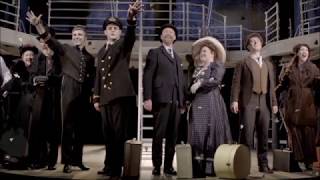
You know the story, and you’ve probably watched the 1997 James Camron film, but have you heard of Titanic the Musical ? Having seen the film, I still didn’t know what to expect from this musical adaptation. It could have included a barrage of uplifting songs based on the real passengers of the "unsinkable" 1911 Titanic, offered more special effects than its movie counterpart or included toe-tapping dance numbers to cancel out its sombre ending. Unfortunately, Titanic the Musical is an extremely tasteful enactment of the failed and joyless journey from Southampton to New York City. Beginning with a musical number that includes how many oranges were aboard the ship (36,000) and ending with a complete list of the names of the deceased, this musical was informative but incredibly gloomy. We follow the passengers as they board the Titanic, walk around the Titanic and are closed off to the travellers in their classes cabins. The class structure would have been an interesting issue to delve into, but the show is fairly shallow regarding how it portrays the working class. Its working and middle-class passengers focus on how wonderful it would be to be rich and move up the ranks, without having many other personality traits. While they all hope to reach America and chase their dream; the richer passengers have no discernible qualities at all. Their job is to eat around large tables and ask, ‘Are we there yet?’ The dialogue in between songs mainly keeps focussing on informing the audience on the ships gradual increase in speed and the music and lyrics by Maury Yeston were so simple I couldn’t decipher one song from the next. It was difficult to gather why little creative license is used in a musical. Director Thom Southerland handles a heavy 25-member cast but offers surprisingly little movement on the Lowry stage. Its striking staging has a luminous set that uses blinding lights to capture the water, implants fog into its audience and offers two levels for its actors to perform on. Yet the acting is stilted and dry, with the performers walking and standing in set placements or seated around tables and desks throughout the show. Writer Peter Stone layers fact spewing accounts but withdraws any elements of drama until the second act. Nevertheless, don't expect the set to fall around the characters as the productions sombre take and logical writing leave little space for theatrics. If characters dance, they dance with purpose. If characters sing an upbeat song, it is for the enjoyment of the other passengers onboard. Clearly, the five-time Tony award-winning musical has touched more than a selective audience, but the productions hyper-focus on fleshing out facts makes this drama a bore. As the waves hit the sinking ship, the cast begin the Mexican wave to symbolise the overflow of water in what is an extremely tense portrayal of the tragedy. This production is perfect for audiences who have been waiting for informative, historical theatre. But for others, don’t let the word “musical” fool you. Despite the two levels of staging, the show feels constricted, with cast members bound to certain spots as they rattle off dry dialogue. Its slow and steady pacing offers consistency in its messaging and music, but Titanic the Musical leaves the American dream epic to Camron and offers audiences a potent taste of reality. TheLowry #Manchester TitanictheMusical
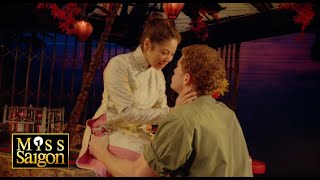
- Miss Saigon Review | Palace Theatre | Manchester
With a cinematic style and commanding musical medleys, Miss Saigon has become the thirteenth longest-running Broadway show. The last few days of the Vietnam War are given a personal touch, depicting the lives of Kim (Sooha Kim), The Engineer (Red Concepcion) and Chris (Ashley Gilmour) as they navigate through the consequences of the war. The story sees 17-year-old Kim wrestle for independence, stability and love while working at the Dreamland bar and brothel. Although working as a bartender, Kim is introduced to the young and naive GI Chris whose hero complex sees him sweep her off her feet with promises of a better life. The ravages of war don’t appear to be holding the two lovebirds back, and they waste away days until Chris is forced to make a hasty retreat home without his new love. Miss Saigon follows a simple narrative but incorporates flashbacks, documentary film and dream sequences to keep up an energised pace with unexpected direction. While the songs aren’t necessarily lyrically weighing, the tracks translate beautifully to the stage. Within its scaled-up production, there is a sense of live magic that is difficult to fault for its suspense and surprise. Money has clearly been thrown into this production, but it is far from a fig leaf to distract from a poor plot or shoddy dialogue. The 38 cast members climb around multi-layered sets as if inside The Crystal Maze with its impressive settings on pullies, lowered and wheeled in to bring an open world feel to The Palace Theatre stage. Alongside a live orchestra, the shows talk/sing approach may appear too simplistic and monotone, but its music has been turned up to eleven in an attempt to cancel out an excessive sense of melancholy. You can definitely feel Kim’s pain, as she screams it directly at you. The army of performers also deliver tough choreography, that balance an abundance of props, often wielded by its lead performers. With a brilliantly cast production, the members offered intense performances or moving solos. In particular, Red Concepcion who plays The Engineer, is able to distract audiences from the shows uncomfortable narrative by lending a powerful voice to the track The American Dream . When it comes to production value, Miss Saigon is up there with the best of them. Its drama doesn’t falter and its committed cast and clever direction allows for a show of mammoth proportions. You can also watch Miss Saigon Live on Amazon MissSaigon #Manchester PalaceTheatre
- Dirty Dancing Review | Palace Theatre | Manchester
The forbidden love between Baby (Katie Eccles) and resort dance instructor, Johnny (Lewis Griffiths) has been parodied for the stage in dramatic fashion. In honour of the 80s classic, producers Karl Sydow and Paul Elliott’s have painstakingly mirrored iconic scenes from the film to refashion this summer smash. Federico Bellone’s inventive direction is one of the highlights of this production, using ideas that continually take you out of the traditional, static stage setting to offer a fresh reimagining. Entwining the set with a labyrinth of rooms, hidden reveals and an impressive use of clear screens allows images of winding roads and water to be projected onto the stage alongside the actors. The cast include a collection of captivating dancers and impressive singers who barely stop for breath. With top talents Eccles and Griffiths appearing as professionally trained dancers from the start, despite longwinded montages to convince the audience otherwise. Your restless summer may be turned around by Griffiths hip control and on point Swayze impersonation. With a technique so smooth he was forced to rush through lines before the audience’s howls drowned out his dialogue, Dirty Dancing Live has the same powerful connection to fans as the original. The show features classic songs, Hungry Eyes , Do You Love Me ? and Time Of My Life that had the audiences singing along to the action. But unlike a live Karaoke night, the combination of Griffith with his bum out and audience participation turned this production into a Chippendale show where the heckling overcame the actor’s performances. It was definitely ladies’ night at the Catskills resort, making it easy to forget the back-street abortion storyline that accompanies this surprisingly stark tale of Baby’s family vacation. If you thought Grease had a few questionable plot points, then you ain’t seen nothing yet. Dirty Dancing’s main storyline is no surprise to anyone, but this production clumsily includes a secondary plot where a young, white Civil Rights activist is urged not to walk in protest because he may get hurt. As this argument was coming from a particularly animated black lounge singer it seemed like an extremely obnoxious and unnecessary add-on. Especially when the characters of saxophonist, Baby’s sister and Baby’s parents were all able to get more stage time than this tacked on narrative. The saviours of this production were Sophia McKay and Michael Kent whose singing alongside the live band helped take the burden off the lack of sustainable plot. The live band and terrifically talented dancers kept the mood of the production high and light-hearted, but Dirty Dancing relies heavily on fangirls turning out to support it based on their love for the original film. Audiences are sure to enjoy the variety show of music and dancing but don’t expect anything deeper from the 80s remake. # DirtyDancing #Manchester #PalaceTheatre
- Jaws in Concert Review | Bridgewater Hall | Manchester
There’s trouble in the water for the residents of Amity Island as swimmers are picked apart by a great white shark. Based on the best-selling novel by Peter Benchley, and directed by Steven Spielberg, the straight A to Z adventure has travelled to The Bridgewater Hall for an immersive live-action retelling. The story follows police chief Brody (Roy Scheider), shark hunter Quint (Robert Shaw) and oceanographer Matt Hooper (Richard Dreyfuss) as the trio band together in the hunt for Bruce the shark (named after Spielberg’s lawyer). At The Bridgewater, an extra wide cinema size screen is raised above the heads of the Czech National Symphony Orchestra who accompany the suspenseful tale with the phenomenally performed atmospheric score by John Williams. The 1975 movie has never looked or sounded better. Spielberg’s classic mixes a mesmerising pace, superb acting and an iconic score to form a masterclass in film-making that is credited with inventing the summer blockbuster. Yet this problematic production ran past schedule and over budget, with the added threat of its malfunctioning mechanical monster forcing its director to take a Hitchcockian approach. Spielberg shows everything but the shark for much of the first hour, with a focus on misdirection that allows the music to take centre stage. Here, the soundtrack formed by the Czech National Symphony Orchestra amplifies the tension and intensifies the experience. Conductor Ben Palmer launched straight into the production, bringing the action to life within the modern concert hall. The powerful, virtuosic symphony sync the Academy Award-winning score to the screen and shape the suspenseful atmosphere for this jaw-dropping thriller. Live film concerts are becoming popular attractions at Manchester’s Bridgewater with the upcoming Jurassic Park and Raiders of the Lost Ark trailers shown before the performance. These concerts offer an amazing experience for all live music lovers, and the Bridgewater’s merging of the classic and contemporary brings a diverse audience of young and old alike. The film has been split into two halves but, apart from the occasional sea shanty from Quint, there is little in the way of music for the first hour of the production. This laid-back score allows the audience (and the orchestra) to simply appreciate the film on the ultra-wide screen. The screening would have benefited from the use of subtitles as some technical issues left parts of the audio muffled through the first half. But by the second, the suspenseful score was thoroughly in place. Some 43 years since its initial release, the trend-setting story remains a staple in the top 100 movies lists, and the Bridgewater crowd is awash with Jaws t-shirts. As the driving force of many of the movie’s memorable moments, Jaws’s distinctive score hangs beautifully throughout the hall, with the orchestra making it even easier to imagine what lies beneath the surface. This review was originally written for Northern Soul Jaws #Film #Manchester BridgewaterHall
- Paul Auster’s City of Glass Review | Homemcr | Manchester
Paul Auster’s short story turned graphic novella is an unforgettable look at language, shrouded in the mist of a murder mystery. The visually impressive set designed by 59 Productions, morphs with the use of projectors. The stage is instantly transformed into an apartment, Grand Central station and an unravelling map of Manhattan with inventive trickery. Alongside the moving scenery, multiple cast members play the same role, which adds to the sense of confusion. The experimental direction of Leo Warner plays within the crime genre but without attaching any fixed rules that usually apply to detective fiction. Auster plunges audiences into a world where it is easy to lose track of reality, and while its stage adaptation allows you to follow the action, it does not simplify the story. As part of Auster’s three progressive narratives named The New York Trilogy , City of Glass is left to stand alone. As the first story in the series, this reworking becomes problematic on-stage due to its shallow caricatures, story resolution and the general sense that you're missing the bigger picture. Narrated by Daniel Quinn, the story follows William Wilson who now goes by the pseudonym Quinn. One evening Quinn receives a phone call from Peter Stillman Jr looking for private detective Paul Auster. Quinn decides to pose as Auster and accept a case in which he must protect Stillman Jr from his father Peter Stillman senior, soon to be released from jail. After accepting the case, Quinn then seeks the help of the real Paul Auster. While HOME is put to great use with unique staging, this abstract shifting of storylines didn’t hold the attention of its entire audience. The story itself is wordy, with writer Duncan MacMillan relying heavily on the book, the stage suffers for its lengthy observations narrated over every scene. Characters onstage become purposeless, dawdling in the darkly lit sets and standing aimlessly in the background through continuous monologues. The mystery is also fractured and unresolved, leading a literary rich production to an unsatisfactory conclusion. This Avant-garde construction poses ideological questions surrounding identity and the idea of losing oneself. Its themes will remain with you, especially as you witness a young man’s descent into madness. However poignant and intriguing, this post-modern mystery focuses on literary terms and writing itself. As a result, the intertextual imaginings of the real-life writer Paul Auster are better suited in paperback. CityofGlass #Manchester #HOMEmcr
- Beauty and the Beast in Concert Review | Bridgewater Hall | Manchester
I must resist the overwhelming urge to type Be Our Guest in continuous reams like a possessed character from The Shining because the deliciously hypnotising songs of Disney will do that to you. The soundtrack that would transport me straight to my happy place as a child is now accompanied by an orchestra and a cinema-sized screen. Expanding on the mesmerising melodies from lyricist Howard Ashman and composer Alan Menkenis is The Bridgewater Hall’s phenomenal Novello Orchestra . Led by David Mahoney; this live-action offers a take on Beauty and the Beast that shapes the memorable medleys with an animated musical performance. Included in the new-ish range of revisited animated Disney classics is the 2017 live action Beauty and the Beast . 26 years after the original animation and the rose-coloured glasses you popped on as a child will be left untainted. With a fresh coat of paint, this feature captures the magic of its 1992 animation by altering almost nothing from its original story or direction. The fairy-tale come to life may be a mature retelling, but the stupendous musical blends elements of CGI fantasy that are in keeping with the cartoonish spirit that captured the imagination of its older audience. With Emma Watson as the book-smart Belle and Dan Stevens as the Beast, the spellbinding story has become the highest grossing PG-rated movie of all time in the U.S. If you consider the live action film to be a step-up from the animated feature, then The Bridgewater’s live action with a live orchestra will have you on your tippy toes. Bringing the shared experience of the cinema back in a unique way, The Bridgewater has been able to engage a new audience that will hopefully continue to hold the love of a gifted orchestra regardless of the film attached. It is easy to get swept up in the Disney magic and forget about the incredible endurance of the orchestras members. Playing for over two hours, the show doesn’t offer many pauses for the team to rest their bows, flutes or horns. It is a collaboration that wraps up The Bridgewater’s spectacular setting and an outstanding orchestra to offer a double dose of drama. Future screenings of films with live orchestras appear to have become more integrated into The Bridgewater Halls regular programme. If Disney isn’t your cup of tea, then there is always a chance to fall in love with the Hunger Games , James Bond and Indiana Jones , all over again. BeautyandtheBeast #Film #Disney TheNovelloOrchestra BridgewaterHall #Manchester
- Strangers On A Train Review | Opera House | Manchester
When mama’s boy Bruno strikes up a conversation with a stranger in an opposing carriage, audiences are shielded from the ominous tones of a generic villain. While speaking to his new friend, a young architect named Guy, Bruno devises the best way to beat the rap for murder. Suggesting that if the two exchange nuisances, they would both avoid any suspicion from the police. But what becomes an uncomfortable joke for Guy soon becomes his reality as Bruno commits the first murder and stalks Guy to complete their transaction. Coronation Street’s baddie, Christopher Harper (Charles) and Call the Midwife’s Jack Ashton (Guy) play against each other in the crisscrossing psychological thriller. Based on the 1950s novel by Patricia Highsmith and made famous by its Oscar-winning Alfred Hitchcock screen adaptation. Here, director Anthony Banks has opted to play with some film noir aesthetics, with the use of projections, and a memorable smoke-filled finale, but it is largely refashioned for the stage. In the Opera House, sky-scraping shadows are not used to structure the characters as opposites and drum up suspense. Although Charles often operates in the darkness, the two men are mainly exposed to the elements, lit up for the audience as they pace through their monologues. The menacing Bruno holds some troubling characteristics, peeling his veneer of respectability throughout the production. However, any blurred lines that linked the two men are completely vanquished in this adaptation. The show frames the characters simply as good verses evil, with staging more diabolical than Bruno’s plot. If you don’t have a centre seat, too bad, you just have to miss a few scenes. The set, however technically brilliant, doesn’t work from all angles. Splitting several scenes into the four corners of the stage with bulky sliding doors that restrict your viewing. Watching shoe box size structures switch from Bruno’s mansion, to Guy's apartment, to a train and an office is impressive. But you can also literally peek behind the curtains to see the inner workings of its cast and crew. There are no hidden depts to Guy, no grey areas. It has all been a terrible mistake, and as a withdrawn and unwitting accomplice, he becomes a dreary character. Its female leads including Hannah Tointon (Mr. Selfridge) are left to float aimlessly, offering little impact to the story besides their comic relief. While elements of its stylistic set could have been the foundation for a shadowy neo-noir movie brought to life, the illusion of danger lurking around every corner isn’t present in this production. The tensions of the play build through conversations and interrogations, but with both murders taking place off stage there is little to no pay off for the audience. #StrangersonaTrain #Manchester TheOperaHouse